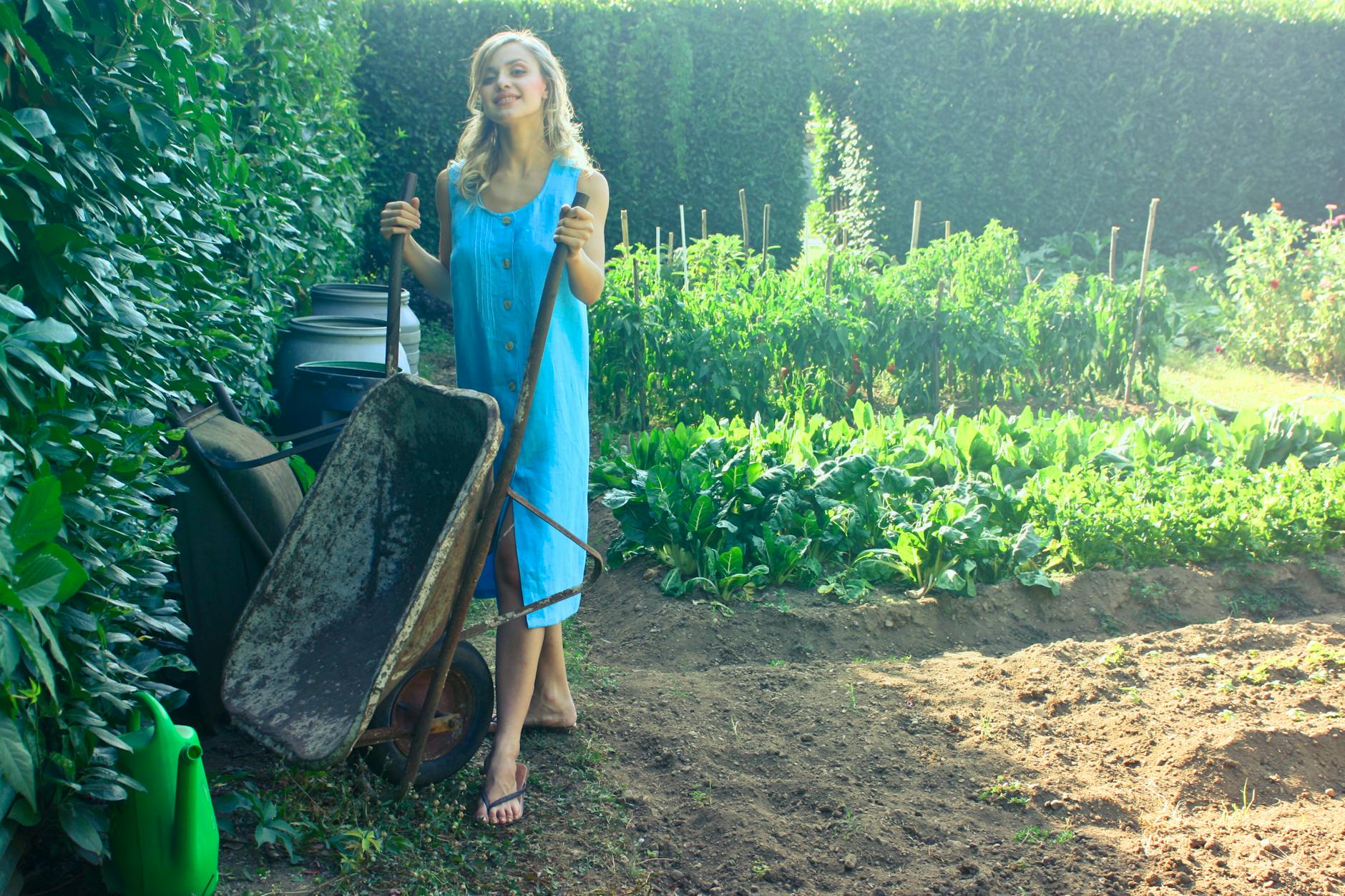
The birds are chirping at the crack of dawn, yet it is a pleasant sound that wakes you. Sun rays are peeking through your blinds as you rise out of bed, and the fresh scent of dewy grass kisses your feet on your way out your front door. Spring is finally here! Maybe this is your sign to dive into a new hobby. After all, mid-April to early May is the perfect time to cultivate a Spring garden in Michigan. Increased sunlight, warmer soil, and natural rainfall create ideal growing conditions. Not to mention, fresh produce, vibrant flowers, and improved mental well-being. Hmm, how to start a Spring garden…
Gardening and Your Mental Health
Research indicates that plant exposure, particularly to gardening, is beneficial for both your mental and physical health.
Therefore, gardening is an excellent form of horticultural therapy to safely manage your psychological health. Many trials have highlighted the advantages of well-being from simply observing nature. To illustrate, a Japanese study observed that plants altered EEG recordings. Thus, reducing fear, anger, sadness, blood pressure, heart rate, muscle tension, and overall stress levels.
Choosing the Best Location for Your Spring Garden
If that all sounds good to you, you’ll want to be sure you choose a good spot before you start planting your Spring Garden. For example, it’s best to take time to understand the sunlight requirements, as both shade and sunlight are crucial for successful plant growth.
You’ll also need to assess your yard’s soil conditions or check if you have easy access to resources such as your garden hose and tools. If you like to walk, pick any place that works, but if you don’t envision yourself dragging yard tools or pushing a heavy wheelbarrow in the wet grass before you start working on your garden, it’s best to do your due diligence.
Understanding Sunlight Requirements
To begin, you will need to understand the importance of full sun vs. partial shade. You’ll want to track how sunlight moves across your yard, sunrise to sunset. You could start by taking a stroll around your property or sit in your kitchen window and note specific areas blocked by trees, fences, or buildings. If you plan the wrong layout, expect nothing but a bare patch of dirt, weeds, and frustration.
Assessing your Soil Conditions
Testing your soil and finding the best place for a garden is important. Doing so can help you determine what your plants will need to flourish. For example, plants need the right balance of phosphorus, nitrogen, and potassium. Too much or too little can stunt your plant’s growth.
Most plants require slightly acidic soil to absorb nutrients.
Therefore, you’ll need to test your soil’s pH levels. To begin, you can purchase a soil test kit from the store or send a sample to a lab to receive the most accurate result. Try a local extension service, such as Michigan State University Extension, and go from there.
Once you confirm your soil is plant-ready, be sure to check your Spring garden location. If you have limited space, you could consider using raised garden beds or various planting containers.
What Should You Plant in the Spring?
Once you have chosen a suitable location for your Spring garden, you can decide what to plant. Pansies, violas, marigolds, and petunias are a few of the best flowers to plant during the Spring season. However, if you are looking to start a Spring Vegetable garden, a seasonal produce guide can help you determine the best crops to plant at this time. Sorry, you won’t get to pick juicy tomatoes or melons, nor will you be cutting cucumbers for spa day this time of year, but the following crops that do thrive in the Spring season include:
- Blackberries
- Carrots
- Garlic
- Kale
- Lemons
- Mushrooms
- Onions
- Peas
- Radishes
- Spinach
- Turnips
Benefits of Companion Planting and Crop Rotation
With Spring comes bugs! That’s right, the garden pests are on their way. So, how can plants prosper in the Spring? Don’t fret, companion planting can naturally improve pest control. Doing so can ward off bad bugs and, in turn, attract beneficial insects to your garden.
If you are looking for examples of companion planting, the Farmers’ Almanac provides a helpful companion planting guide. You can select a vegetable to see its best companions, or browse common pairings. For more details on how and why these combinations work, you can also explore their full planting guide for help.
Garden Size and Spacing
To start, you’ll want to avoid overcrowding your plants for better yield. So, envision your grandma’s Christmas cookie sheet and create space between each ball of dough. Now, visualize your garden bed. Just as you would before baking sugar cookies, you’ll want to measure spacing for your vegetables.
Keep in mind that each plant has a recommended spacing to ensure it has enough room to grow to its mature size. So, before you plant seeds or transplant, check your seed packet (I will touch on seed selection shortly) or plant label, then use your handy dandy ruler or measuring tape to confirm the distance between each planting spot. Doing so can confirm that your plants have enough room for airflow, sunlight, and healthy root growth beneath the soil.
Preparing Your Soil for Planting
Alright, you have confirmed your soil is healthy, chose the best plant location, and have an idea of what you want to plant. Don’t get too ahead of yourself. You need to take time to prepare your soil before planting. To start, grab your garden tools, pull the ugly weeds, and rake away any debris. Drag the wheelbarrow out of the shed and toss everything in it. Don’t forget to wear garden gloves to protect that manicure.
Once you have a clear space to work with, you’ll want to take advantage of Grandma Sakamoto’s golden Spring garden soil prep tip. Add that compost before you start planting! You can choose organic or synthetic options if you are looking for faster results, but be sure to check the bag to understand when and how much to apply to achieve the best results. In addition, try some mulch! This way, you can maintain soil moisture as the days heat up during the Spring season.
How to Choose Seeds or Starter Plants for Your Spring Garden
Okay, the boring stuff is over. Now, we get to shop for Spring garden seeds, but before we look into the varieties, let’s break down the pros and cons of starting from a baby seedling. A given, seed packets are far cheaper than purchasing the plant. Also, one packet can produce several plants! You’ll even have further access to more plant options.
As it goes for cons, seeds need germination. Thus, starting from a seed requires far more patience than picking up a plant from the Home Depot nursery, digging a hole, plopping it in, and calling it a day. If your seed requires warm soil to germinate and can tolerate transplanting, you’ll need to water your seeds consistently indoors, then move them outside. If you are willing to put in a little more effort, check out the top trusted seed companies. The leading reputable seed companies include the following:
- Eden Brothers
- Johny’s Selected Seeds
- Burpee Seeds
- Ferry-Morse
- High Mowing Organic Seeds
- Renee’s garden
- Botanical Interests
Additional Gardening Resources
Starting a Spring Garden can be fun. However, long-term maintenance can be the deciding factor. Don’t forget to prune your plants and pull those weeds to keep your garden healthy and fresh. Doing so can ensure you can have a steady supply of thriving yet productive garden to harvest, eat, and enjoy. Doing your research can save you from future discouragement caused by wasted effort, time, and money. For additional gardening advice, check out the following resources:
- U.S. Department of Agriculture
- United States Botanic Garden
- National Park Service
- New York State Department of Health
- Feeding America
Thinking Carefully Before Making a Decision
Before starting your garden, you’ll want to assess your daily schedule. There is a reason Grandma’s garden is pure lush. She’s not at the office from 9-5, caring for youngsters, or planning for her future every waking hour. If you can squeeze in some time to focus on growing your own vegetables rather than waiting for your Walmart delivery to magically arrive on your porch, consider a few more points to set yourself up for success:
- Last frost date
- Pests and protection
- Drainage
- Wind exposure
- Local wildlife
- Disease resistance
- Mulching strategy
- Crop rotation
- Local climate patterns
- Support strategies
- Season extension tools
Don’t forget to subscribe, share, or comment with spring garden tips!

About the Author
April Staal, BBA
April holds a Bachelor of Business Administration (BBA) with 48 semester hours in human services and psychology. She has 5+ years of experience in the writing industry. Moreover, her personal and professional background writing for the news, addiction recovery, and mental health care industry has fueled her passion for bringing awareness to numerous topics, whether big or small, that impact our daily lives. Email April or find her on LinkedIn to professionally connect.
Leave a Reply