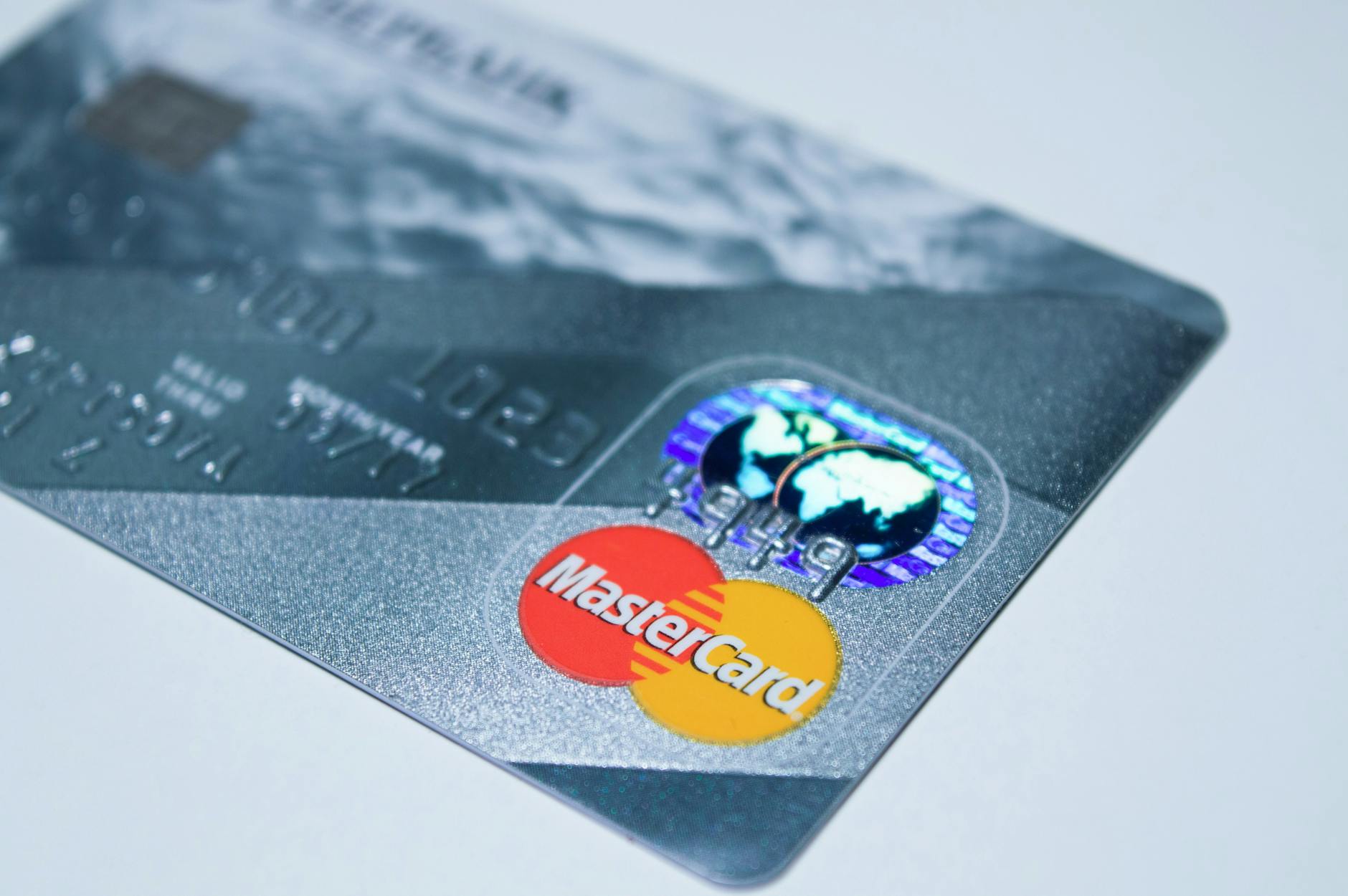
Perhaps you are considering applying for a credit card to go on a shopping spree, travel the world, or handle a serious emergency. Suppose you are envious of the life you do not have. Expanding buying power and building credit may seem too good to be true. However, there are a few things to consider before applying for a credit card.
What Is a Credit Card?
If you do not have enough money to pay for something, you may borrow money to do so. For example, a credit card is a type of unsecured debt, whereas a loan is backed by a bank or collateral such as a house or vehicle.
A credit card looks similar to a debit card. Nonetheless, it has the power to benefit one’s life or destroy one’s financial or mental well-being if mismanaged. According to the Federal Deposit Insurance Corporation (FDIC), in its digital form, a credit card represents a payment system that supports both commercial and consumer business transactions. Different types of credit card programs include:
- Standard credit cards
- Premium credit cards
- Affinity credit cards
- Co-branded credit cards
- Corporate credit cards
- Travel and entertainment (T&E)
- Home equity credit cards
- Cash-secured credit cards
What Is the Difference Between APR and Interest Rates?
Before applying for a credit card, it may be wise to look into the terms and conditions regarding the annual percentage fees (APR) and interest rates. These factors may determine whether you decide to complete the credit application or not.
The primary difference between interest rates and annual percentage rates (APRs) is that APRs involve additional fees, while interest rates do not. In other words, the annual percentage rate involves more than the interest rate alone, including fees and additional charges.
The Value of Having a Credit Card
Not everyone has a contingency fund or family to rely on and borrow from in times of crisis. A credit card can be a financial safety net. Research indicates that possessing a credit card can be a convenient way to build your credit, earn rewards, and learn responsible credit practices. Different ways to manage credit responsibly include:
- Making sure to pay your monthly credit bills
- Paying attention to service agreements
- Budgeting your funds
- Using free resources for support
- Keeping your credit utilization low
When Should You Use a Credit Card?
Although a credit card can be a quick way to please others or get whatever your heart desires, this should never be the only reason you choose to swipe your card.
Doing so can quickly backfire. It is wise to use your credit card for needs, not wants. You could rapidly run yourself dry. This can lead to financial distress, anxiety, and poor overall well-being. It is essential to save personal finances for important assets such as a house, car, child education, or retirement to ensure a positive future.
What Happens if You Do Not Pay Your Credit Card Back?
If you fail to pay your credit account back, the creditor may pursue you through collections. You may start to get one or two calls, and if you ignore them, you may need to clear out your voicemail inbox. Chances are you’ll miss out on other important messages, leading to another dumpster fire.
The word “fee” can sound unsettling. Therefore, it is important to break down the terms and conditions you will be responsible for before you get the “This is Tom on a recorded line. This call is from a debt collector in an attempt to collect a debt, and any information obtained or used for that purpose”. Trust me, when you get this voicemail, you will probably leave the mall. To prevent this embarrassing day in your future, consider inquiring about:
- Increased interest rates
- Late fees
- Account closure agreements
- Lawsuits
- Garnishment
Thinking Carefully Before Making a Decision
Now that you have a general idea of how credit cards work, let’s consider a few more things before making the right decision. You may benefit from shopping around for the right credit card by comparing the best terms, conditions, and incentives, or reviewing rates or fees before applying. Additional things to consider before applying for a credit card include:
- Paying attention to annual fees
- Understanding the negative impact on your credit score when applying
- Asking about foreign transaction fees
- Reviewing late fees
- Checking your credit score
- Analyzing your current financial state
- Inquiring about minimum payments if needed
- Understanding that your items may be reprocessed if you fail to make payments
- Getting to know the creditor’s promotional offers and add-on products
Peer Reviewed by: Ryan VanWyck – Private Client Banker at Chase Bank, licensed with FINRA Series 6 & 63, and 6+ years of experience in credit and consumer banking.

About the Author
April Staal, BBA
April holds a Bachelor of Business Administration (BBA) with 48 semester hours in human services and psychology. She has 5+ years of experience in the writing industry. Moreover, her personal and professional background writing for the news, addiction recovery, and mental health care industry has fueled her passion for bringing awareness to numerous topics, whether big or small, that impact our daily lives. Email April or find her on LinkedIn to professionally connect.